

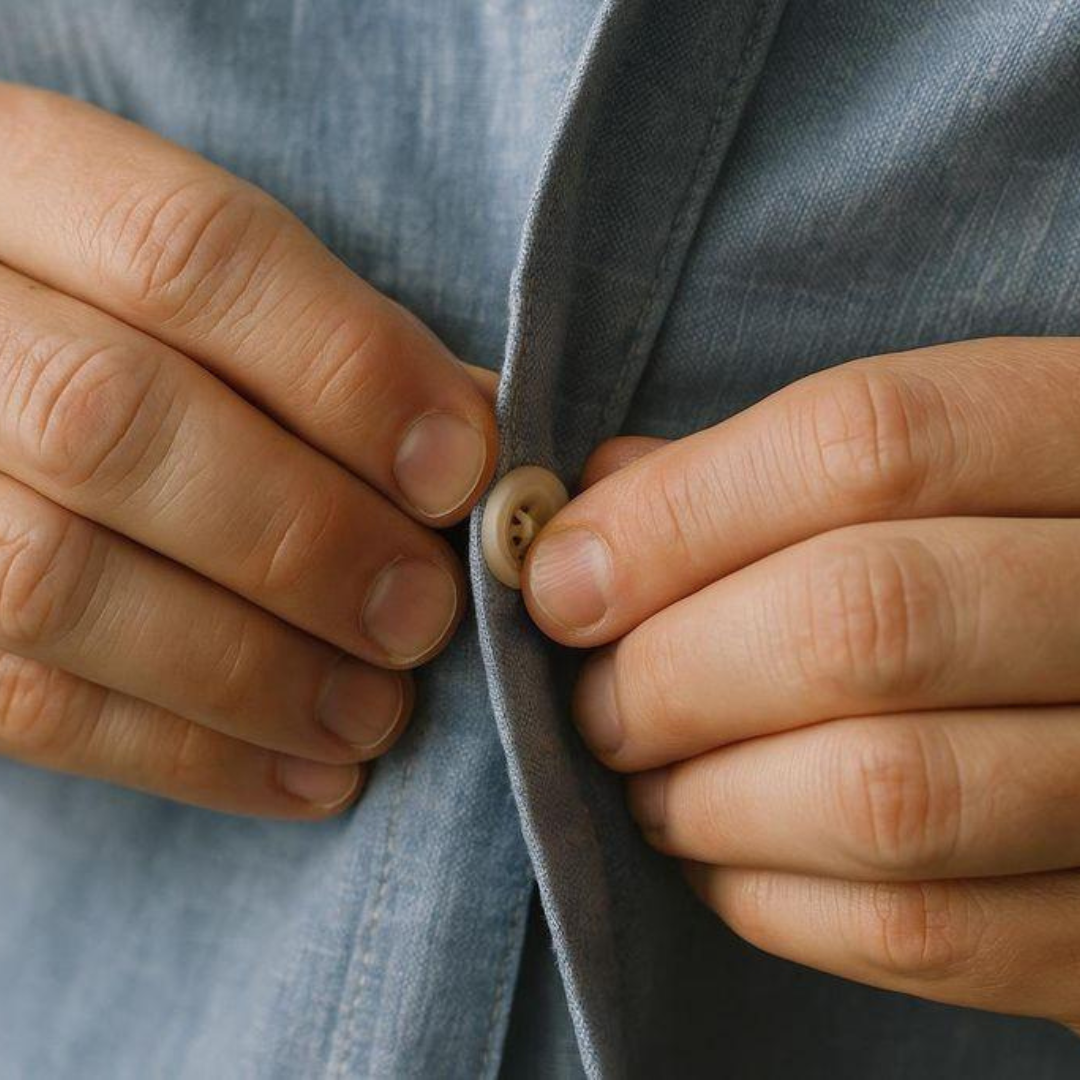
For many people living with Osteoporosis, the condition is often associated with bone density and fracture risk. But what’s less talked about is how it affects day-to-day living, especially when it comes to movement, confidence, and even something as routine as getting dressed.
Alongside this, ageing and certain health conditions can lead to fragile, thinning skin, creating an added layer of complexity that can make everyday tasks unexpectedly difficult.
This isn’t just about physical discomfort – it’s about independence, dignity, and quality of life.
As an industry leader within adaptive clothing, we understand these issues and our designs always work around you.
The Overlooked Impact of Fragile Skin

- Easily bruised, even with light contact
- Prone to tearing, especially during movement or dressing
- Sensitive to fabrics, seams, and pressure
This means that everyday interactions, like leaning against a surface, adjusting clothing, or being assisted – can cause discomfort or injury.
Organisations like the NHS highlight that skin integrity becomes increasingly important with age, particularly when combined with reduced mobility or underlying health conditions.
When Movement Feels Risky

Many individuals experience:
- A fear of falling, especially when standing on one leg or bending
- Reduced balance and stability
- Slower, more cautious movement
These changes can turn simple actions into calculated risks. Something as routine as stepping into trousers or reaching to put on a top can feel unsafe.
Over time, this can lead to avoidance behaviours – doing less, moving less, and becoming more dependent on others.
The Emotional Weight of Everyday Tasks

When daily routines become difficult, people may experience:
- Loss of confidence in their own body
- Frustration at needing more time or assistance
- Embarrassment around visible bruising or skin damage
- A reduced sense of independence
These feelings can build gradually, affecting not just physical wellbeing, but mental health too.
Charities like the Royal Osteoporosis Society offer support and resources for people navigating these changes, helping individuals feel less alone and better informed.
Why Everyday Tasks Need Rethinking

In reality, these moments can be some of the most challenging.
They require:
- Balance
- Coordination
- Strength
- Fine motor control
When any of these are affected, the task becomes more than just “getting ready” – it becomes a physical and mental effort.
Practical Ways to Reduce Strain and Discomfort
While every individual’s needs are different, there are small, practical changes that can make a meaningful difference:
1. Slow the process down
Allowing extra time reduces pressure and lowers the risk of falls or injury.
2. Create a safe environment
Sitting down while dressing, using stable surfaces, and ensuring good lighting can all help.
3. Be mindful of skin protection
Choosing gentle materials and avoiding unnecessary friction can reduce bruising and irritation.
4. Ask for support when needed
Whether from a carer, family member, or healthcare professional, support can help maintain safety and confidence.
Where to Find Support and Guidance

- NHS – Guidance on osteoporosis, falls prevention, and skin care
- Royal Osteoporosis Society – Education, helplines, and community support
- Age UK – Practical advice on ageing, mobility, and daily living
These resources can provide both medical insight and practical day-to-day support.
A Better Understanding of Everyday Life
Living with osteoporosis and fragile skin isn’t always visible – but it shapes how people move, dress, and experience the world around them.
By understanding these challenges more deeply, we can create a more supportive, informed approach to daily living, whether that’s through small adjustments, better awareness, or simply recognising that what seems “simple” often isn’t.
Because maintaining independence isn’t just about big changes, it’s about making everyday life feel manageable again.
FAQs: Osteoporosis & Fragile Skin
What is Osteoporosis and can it affect the skin?
Osteoporosis primarily weakens bones, making them more prone to fractures. While it does not directly cause skin problems, many older adults living with osteoporosis may also experience thinner, more fragile skin due to ageing, reduced mobility, medications, or underlying health conditions.
Why does skin become more fragile as we age?
As we get older, the skin naturally becomes thinner and loses collagen, elasticity, and moisture. This can make skin more prone to tears, bruising, irritation, and pressure-related damage, especially in people with limited mobility.
Can osteoporosis increase the risk of skin injuries?
People living with osteoporosis may be more cautious with movement due to a higher risk of fractures. Reduced mobility and longer periods sitting or lying down can increase friction and pressure on the skin, potentially making skin damage more likely.
What clothing is best for older adults with fragile skin?
Soft, breathable clothing made from gentle fabrics is often best for fragile skin. Adaptive clothing designed with easy fastenings, reduced friction points and comfortable fits can help minimise rubbing and discomfort.
How can adaptive clothing help people with osteoporosis?
Adaptive clothing can make dressing easier and more comfortable for people with osteoporosis. Features such as easy-access fastenings, seated-fit designs, and soft fabrics may reduce strain, improve comfort and support independence.
Which fabrics are best for sensitive or fragile skin?
Natural and breathable fabrics such as cotton and soft blends are often recommended. Smooth fabrics with minimal seams and tags can help reduce irritation and friction against delicate skin.
Can tight clothing damage fragile skin?
Clothing that is overly tight or restrictive may create pressure and friction on delicate skin. Comfortable clothing with a relaxed fit can help reduce rubbing and improve day-to-day comfort.
What are common signs of fragile skin in older adults?
Common signs include easy bruising, skin tears, dryness, itching, redness, and skin that appears thin or paper-like. If skin changes become severe or persistent, medical advice should be sought.
How can carers help protect fragile skin?
Carers can help by using gentle handling techniques, avoiding excessive friction, keeping skin moisturised, and choosing clothing that is comfortable and easy to put on and remove.
Is adaptive clothing suitable for people with osteoporosis and mobility challenges?
Adaptive clothing can be particularly helpful for people living with osteoporosis, arthritis, reduced mobility or other age-related conditions because it is designed to make dressing simpler while prioritising comfort and dignity.