

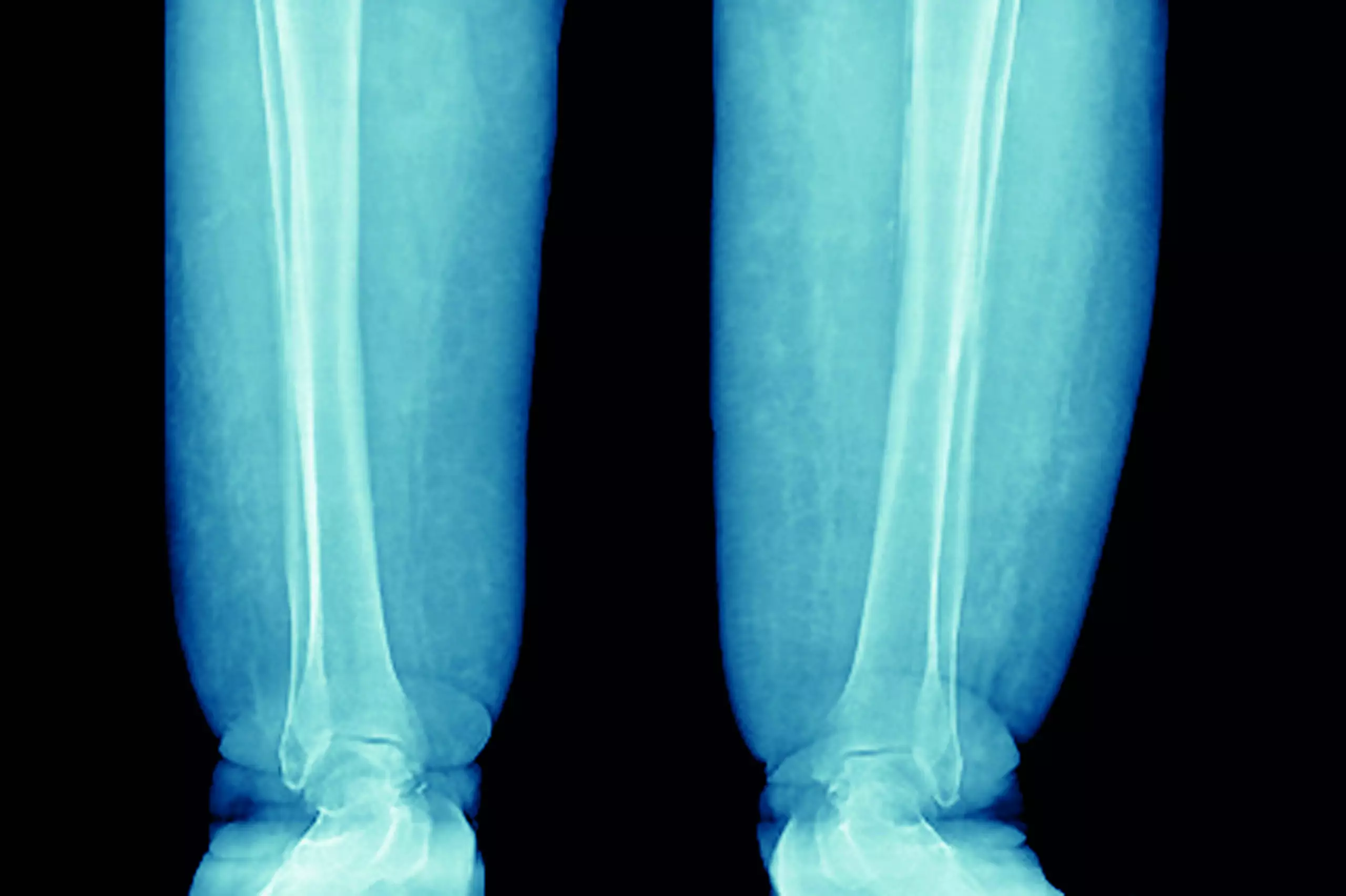
When swelling becomes part of everyday life
Swollen feet and legs – often referred to as oedema – can develop gradually or appear suddenly, but for many people, it becomes a regular part of daily life.
It’s not always just about visible swelling.
It’s about how that swelling feels:
tightness, discomfort, heaviness – and the small, everyday adjustments that come with it.
What is oedema?

It can be linked to a range of conditions, including:
- Chronic venous insufficiency
- Lymphedema
- Heart failure
- Kidney disease
- Diabetes
It may also occur during pregnancy, after surgery, or as a side effect of certain medications.
For some, swelling fluctuates throughout the day.
For others, it’s persistent.
The everyday challenges people don’t always see

Common challenges include:
- Socks that dig in and leave marks
- Tightness and pressure around the ankle
- Difficulty putting socks on or taking them off
- Skin sensitivity and irritation
- Discomfort that builds throughout the day
Standard socks, especially those with tight elastic bands, can restrict circulation and increase discomfort – particularly when worn for long periods.
Over time, this can influence what people feel comfortable wearing, and how long they stay on their feet.
Why the right socks matter
Socks are often overlooked – but they can make a significant difference to daily comfort.
For people experiencing swelling, the key considerations are:
- Gentle stretch that adapts to changes in size
- Non-restrictive tops that don’t leave marks
- Soft, breathable fabrics for sensitive skin
- Ease of putting on and taking off
Rather than adding pressure, well-designed socks should feel supportive without being tight – helping reduce discomfort across the day.
Practical ways to manage swelling day-to-day
Alongside clothing choices, there are simple steps that may help manage symptoms:
- Elevating the legs when resting
- Staying gently active to support circulation
- Avoiding prolonged sitting or standing
- Wearing comfortable, non-restrictive clothing
- Following medical advice where needed
Guidance from organisations like the NHS often includes a combination of movement, positioning, and lifestyle adjustments.
Where to find trusted advice and support
If you’re looking for more information about oedema and related conditions, these organisations offer clear, reliable guidance:
- NHS
https://www.nhs.uk/conditions/oedema/ - British Heart Foundation
https://www.bhf.org.uk/informationsupport/conditions/heart-failure - Lymphoedema Support Network
https://www.lymphoedema.org/ - Diabetes UK
https://www.diabetes.org.uk/
These resources provide practical advice, support networks, and further guidance depending on individual circumstances.
A more comfortable way to move through the day
Living with swelling in the feet and legs often means paying closer attention to the small details – like how clothing feels, fits, and supports you.
At Adaptawear, we believe those details matter.
Because comfort isn’t just about easing symptoms – it’s about making everyday life feel that little bit easier, more manageable, and more like your own.
FAQ
What causes swollen feet and legs?
Swelling (oedema) is usually caused by fluid build-up and can be linked to circulation issues, heart conditions, kidney problems, or lymphatic conditions.
Why do socks leave marks on swollen legs?
Tight elastic bands can restrict circulation and press into the skin, especially when swelling is present.
What kind of socks are best for oedema?
Socks with gentle stretch, non-restrictive tops, and soft fabrics are typically more comfortable for swollen feet and legs.