

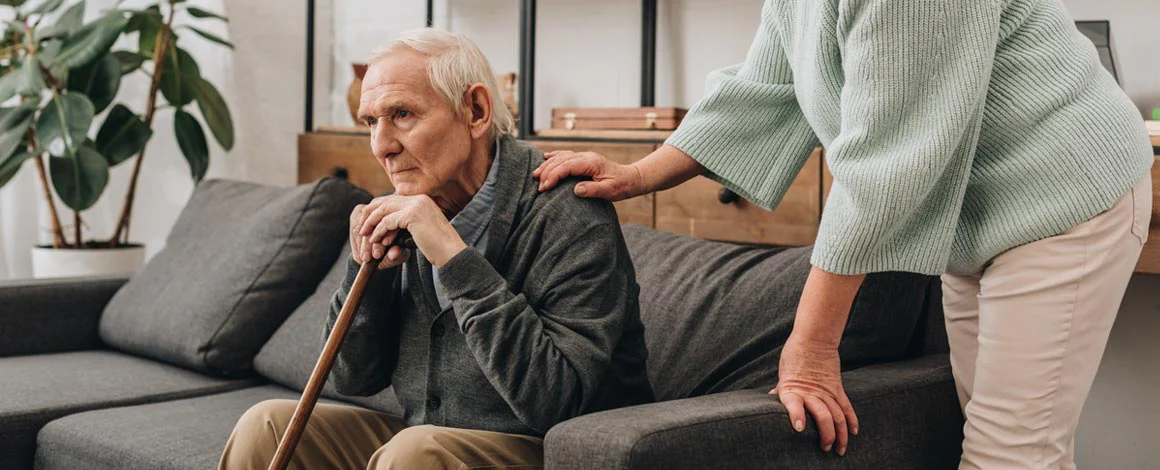
Why Dressing Can Become Distressing for Someone Living with Dementia
Getting dressed is often viewed as a simple part of the daily routine. We choose our clothes, put them on and continue with our day without giving it much thought.
For someone living with dementia, however, getting dressed can gradually become confusing, frustrating and emotionally distressing. A task that once felt automatic can begin to involve uncertainty, anxiety and difficulty making decisions.
At Adaptawear, we regularly speak with families and carers who tell us that dressing routines can become one of the most challenging parts of the day. Understanding why these difficulties happen can help create more comfortable routines that support dignity, independence and wellbeing.

Why can dementia affect dressing?
Dementia affects memory, thinking and the brain’s ability to process information. As symptoms progress, everyday tasks that require planning and sequencing can become more difficult.
Getting dressed involves many steps that we rarely think about:
- Choosing appropriate clothing
- Remembering what order clothes go on
- Recognising items correctly
- Managing buttons and fastenings
- Understanding how clothing should fit
For someone living with dementia, these steps can become overwhelming.
What may appear to others as resistance or refusal can often be confusion, fear or frustration.
Common dementia dressing problems
Many carers notice similar dressing challenges developing over time.
Difficulty choosing clothing
Too many options can feel overwhelming.
Someone may repeatedly select the same clothing, choose unsuitable clothing for the weather, or become unsure about what to wear.
Clothing being put on incorrectly
People may accidentally put clothes on backwards, wear multiple layers, or become confused about the order clothing should be put on.
Difficulty recognising clothing items
As dementia progresses, recognising familiar objects can sometimes become harder.
Items such as shirts, trousers or footwear may no longer feel immediately obvious.
Fastenings becoming frustrating
Buttons, zips and small hooks often require concentration and hand dexterity.
When these become difficult, frustration can increase quickly.
Resistance during assisted dressing
Some people become uncomfortable with personal assistance, especially if they feel confused about what is happening.
Distress during dressing is rarely deliberate; it is often a response to uncertainty or loss of control.

How carers can make dressing feel easier
Small adjustments can sometimes reduce stress significantly.
Helpful approaches can include:
- Keeping routines consistent
- Offering simple choices rather than many options
- Allowing extra time
- Explaining each step calmly
- Dressing in a quiet environment
- Encouraging independence where possible
- Avoiding rushing
Preserving familiarity and routine can often provide reassurance.
How adaptive clothing can help both the wearer and carers
At Adaptawear, we believe clothing should support everyday life, not create additional barriers.
Adaptive clothing cannot remove the challenges associated with dementia, but it can help simplify dressing routines and reduce unnecessary frustration.
Many carers tell us that practical clothing choices help make daily support easier while helping loved ones maintain comfort and dignity.
Elasticated waist trousers
Elasticated waists can reduce the need for difficult fastenings and make dressing simpler and more comfortable.
These can be particularly helpful for people who become frustrated with buttons or belts.
Easy-fastening clothing
Clothing designed with simpler fastening solutions can reduce stress around dressing tasks that require fine hand movements.
Open-back clothing
Open-back garments can sometimes make assisted dressing easier for carers while reducing discomfort and physical strain.
Wheelchair-friendly clothing
For people with reduced mobility or seated lifestyles, clothing designed for seated comfort may reduce pressure points and improve fit.
Comfortable nightwear
Simple and comfortable nightwear can help support easier bedtime routines and overnight care.
Soft fabrics and reduced irritation
Comfort matters.
Soft fabrics that minimise rubbing and pressure may help reduce discomfort for people with sensitive or fragile skin.
Supporting dignity and independence
One of the most important aspects of dressing support is preserving dignity.
Even when assistance is needed, allowing someone to make simple choices or complete small parts of the process themselves can help maintain confidence and independence.
Small moments of choice can still matter greatly.
Support, guidance and useful resources
If you are supporting someone living with dementia, these organisations provide valuable information and guidance.
Alzheimer’s Society
Support services, practical advice and resources for families and carers.
NHS Dementia Guide
Medical information and practical guidance on dementia symptoms and care.
Dementia UK
Advice and specialist support for families and carers.
Carers UK
Practical guidance and support for carers.
Frequently Asked Questions
Why do people with dementia struggle with getting dressed?
Dementia can affect memory, decision-making, sequencing and recognition. Tasks such as choosing clothes, remembering dressing steps and managing fastenings can become increasingly difficult.
What are common dementia dressing problems?
Common dementia dressing problems include choosing inappropriate clothing, difficulty recognising clothing items, frustration with buttons or zips, resistance during assisted dressing and confusion during routines.
How can carers make dressing easier for someone with dementia?
Keeping routines consistent, offering simple clothing choices, reducing distractions and using practical clothing solutions can often help make dressing less stressful.
What is adaptive clothing for dementia?
Adaptive clothing for dementia is designed to simplify dressing routines through practical features that may reduce frustration and improve comfort.
What clothing is best for someone living with dementia?
Many people find clothing with comfortable fabrics, easy fastenings, elasticated waists and simple designs easier to manage.
Can adaptive clothing help carers?
Yes. Adaptive clothing can reduce physical strain, simplify dressing assistance and make routines easier for both carers and loved ones.
What type of trousers are best for dementia patients?
Elasticated waist trousers are often preferred because they can be easier to put on and remove while offering comfort throughout the day.
Can dementia cause resistance during dressing?
Yes. Resistance often happens because of confusion, anxiety or feeling overwhelmed, rather than deliberate refusal.
Suggested meta description:
Learn why dressing can become difficult for someone living with dementia. Discover practical advice, adaptive clothing solutions, support resources and guidance for carers.