

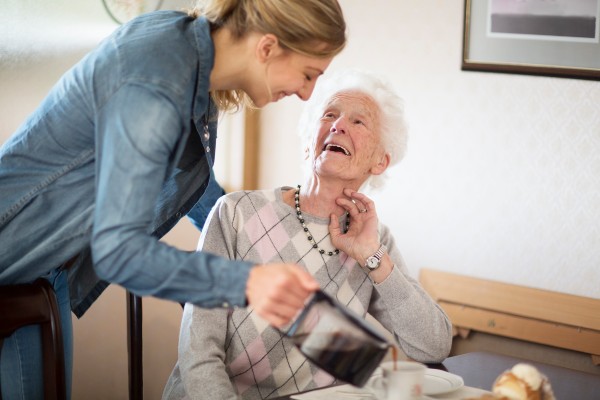
Everything Carers Need to Know About Adaptive Clothing
Caring for someone involves countless daily tasks, and often it is the small things that can have the biggest impact. One of these everyday routines is getting dressed.
For many people living with reduced mobility, age-related conditions, or long-term health challenges, getting dressed can gradually become more difficult. Tasks that once felt simple – fastening buttons, stepping into trousers or putting on shoes – can take more time, effort and support.
For carers, dressing assistance can also become physically demanding and emotionally challenging. Finding ways to make this daily routine easier can help reduce stress for everyone involved.
Our adaptive clothing has been designed to help make dressing simpler while supporting comfort, dignity and independence.

What is adaptive clothing?
Adaptive clothing is specially designed clothing created to make dressing easier for people who experience challenges with movement, dexterity, mobility, or everyday physical tasks.
Unlike standard clothing, adaptive garments often include thoughtful features intended to reduce effort during dressing and undressing.
These can include:
- Easy-access fastenings
- Elasticated waistbands
- Seated-fit designs
- Wider openings
- Reduced pressure points
- Softer, more comfortable fabrics
- Clothing designed to support assisted dressing
Adaptive clothing is not about changing someone’s style – it is about removing unnecessary barriers.
Who can benefit from adaptive clothing?
Adaptive clothing can support people living with many different conditions and mobility challenges.
This can include people living with:
- Arthritis
- Parkinson’s Disease
- Multiple Sclerosis
- Dementia
- Stroke recovery challenges
- Osteoporosis
- Reduced mobility associated with ageing
- Wheelchair users
- People recovering from surgery or illness
Every individual has different needs, which means adaptive clothing is often about finding practical solutions that fit their lifestyle.
Why adaptive clothing can help carers
Daily dressing support can sometimes become physically demanding.
Carers may need to assist with:
- Lifting arms through sleeves
- Managing difficult fastenings
- Helping with footwear
- Supporting standing balance
- Reducing discomfort during dressing
Adaptive clothing can help simplify these routines.
Benefits can include:
Less physical strain
Easy-access clothing can reduce awkward movements and repetitive tasks that place strain on carers.
Reduced dressing time
Simple fastenings and practical designs can make routines smoother and more efficient.
Greater comfort
Comfortable clothing may reduce distress and frustration during dressing.
Supporting independence
Many people can continue completing some dressing tasks independently with suitable clothing.
Maintaining independence can be valuable for confidence and wellbeing.
Types of adaptive clothing carers may find helpful
Different clothing solutions can help with different needs.
Elasticated waist trousers
Elasticated waists can make trousers easier to pull on and more comfortable throughout the day.
Easy-fastening clothing
Alternative fastening solutions may help people who struggle with buttons and zips.
Wheelchair-friendly clothing
Seated-fit clothing can improve comfort and reduce bunching or pressure areas.
Adaptive nightwear
Nightwear designed for easier changing can help make bedtime routines simpler.
Comfortable footwear
Footwear that is easier to put on and remove can support safety and comfort.
Choosing adaptive clothing: questions carers may want to ask
Before buying clothing, carers may find it useful to consider:
- Is dressing becoming physically difficult?
- Are certain fastenings causing frustration?
- Does standing to dress feel unsafe?
- Is comfort becoming a greater priority?
- Could dressing routines be made less stressful?
Small changes can often have a significant impact on everyday life.
Support, guidance and useful resources
If you’re caring for someone with mobility challenges or a long-term condition, these organisations may provide practical advice and support.
Carers UK
Advice, information and support for unpaid carers.
NHS Care and Support Guide
Information about care needs, support and services.
Age UK
Advice for older adults, families and carers.
Parkinson’s UK
Practical support and resources for people living with Parkinson’s.
Alzheimer’s Society
Support and information for people affected by dementia.
Frequently Asked Questions
What is adaptive clothing?
Adaptive clothing is clothing designed to make dressing easier for people living with mobility difficulties, health conditions or reduced dexterity.
Who is adaptive clothing designed for?
Adaptive clothing can support older adults, wheelchair users, people recovering from illness and individuals living with conditions that affect movement or independence.
Can adaptive clothing help carers?
Yes. Adaptive clothing can help reduce physical strain, simplify dressing routines and improve comfort for both carers and the person receiving support.
What conditions commonly benefit from adaptive clothing?
People living with arthritis, Parkinson’s, multiple sclerosis, stroke recovery challenges, dementia and mobility conditions often benefit from adaptive clothing solutions.
What clothing is easiest for elderly people to wear?
Many older adults prefer clothing with comfortable fabrics, elasticated waists and designs that reduce difficult fastenings.
Can adaptive clothing help maintain independence?
Many people find adaptive clothing helps them continue managing parts of their dressing routine independently, which can support confidence and dignity.
Is adaptive clothing only for wheelchair users?
No. Adaptive clothing can support many different mobility needs and health conditions, not only wheelchair use.
What should carers look for when choosing adaptive clothing?
Comfort, ease of dressing, suitable fastenings, fabric choice and the individual’s mobility needs are all important considerations.